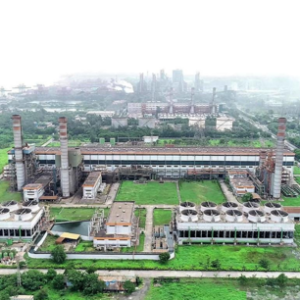

Utilization of waste gas from DRI Kiln for power generation in Raipur, India
“`html
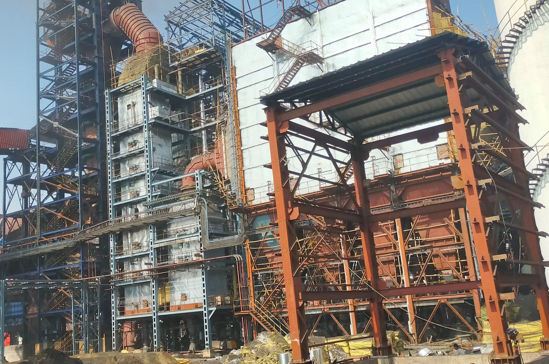
Harnessing Waste Heat for a Sustainable Future: The WHRB#2 Project
This innovative project captures and converts waste heat into clean, reliable electricity, mitigating the environmental impact of industrial processes. By utilizing a Waste Heat Recovery Boiler (WHRB#2), this initiative avoids the consumption of fossil fuels that would otherwise be required to generate power through conventional coal-fired AFBC boilers. The result: a significant reduction in greenhouse gas (GHG) emissions and a step towards a more sustainable energy landscape.
The WHRB#2 project generates 10 MW of power, with a net supply of 9 MW after auxiliary consumption. This renewable energy source directly displaces power generated from fossil fuels, preventing approximately 48,951 tonnes of CO₂ emissions annually. Over its 10-year crediting period, the project is projected to reduce emissions by a remarkable 500,090 tCO₂. This initiative powerfully demonstrates how industrial innovation can contribute to global climate change mitigation while simultaneously promoting sustainable industrial growth and energy efficiency.
Sustainable Development Impact: A Multi-faceted Approach
This project goes beyond mere emissions reduction, actively contributing to holistic sustainable development across several key dimensions:
- Social Wellbeing:
- Creates valuable employment opportunities in a rural and economically underdeveloped area, fostering local prosperity through commissioning, operation, and maintenance activities.
- Elevates the professional skills of local individuals, providing long-term livelihood benefits and empowering the community.
- Implemented entirely within the existing VGL plant premises, eliminating the need for community displacement and promoting inclusive growth.
- Economic Wellbeing:
- Generates significant business opportunities for local contractors, consultants, and suppliers throughout the construction and operational phases.
- Contributes to local economic growth while simultaneously addressing the nation’s increasing electricity demand and enhancing overall energy security.
- Environmental Wellbeing:
- Significantly reduces thermal pollution by effectively recovering and utilizing waste heat from DRI kiln flue gases that would otherwise be released into the atmosphere.
- Displaces power generation dependent on fossil fuels, resulting in a substantial reduction in emissions of harmful pollutants such as SOx, NOx, and particulate matter, thereby improving local air quality and safeguarding public health.
- Technological Wellbeing:
- Serves as a showcase for the efficient and effective utilization of waste heat for clean power generation, demonstrating the viability of innovative energy solutions.
- Promotes widespread energy conservation and encourages the adoption of waste-to-energy technologies, setting a powerful example for sustainable industrial practices and inspiring further innovation.
Further Information:
- For project details, please see: UNFCCC CDM Project Page
- For more information on the social benefits, please see: Project Details (PDF)
“`
Additional information
| Continent | Asia |
|---|---|
| Commitment Period | CP2 |
| Country | India |
| Vintage | CP2: 2013 or later |
| Payment Method | Bank transfer, PayPal or Credit Card |
| Social | Health & Safety, Jobs, Welfare |
| Economic | Energy, Growth, Technology |
Per (CO2e) tonne
0,30 $