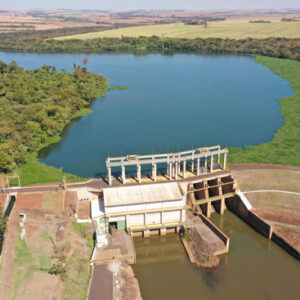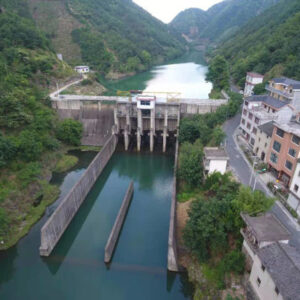

2 x 5 MW Baner khad & Iku khad small hydroelectric project for a grid system
Harnessing Himalayan Hydropower: The Baner-III and Iku-II Small Hydroelectric Projects
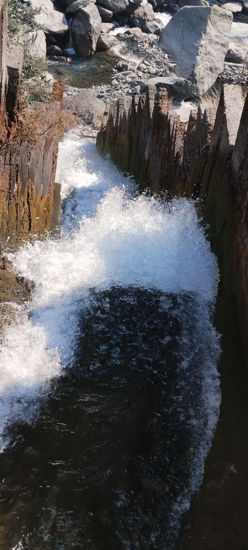
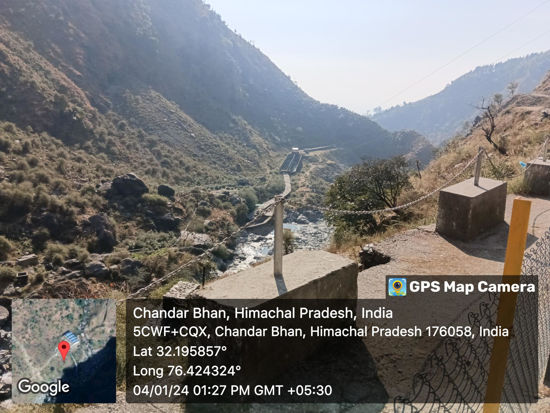
Invest in a cleaner energy future with the Baner-III and Iku-II small hydroelectric projects, located in the pristine Himalayan Mountain range of India. These projects leverage the natural potential of the Baner Khad, a tributary of the Beas River, to generate clean, renewable energy.
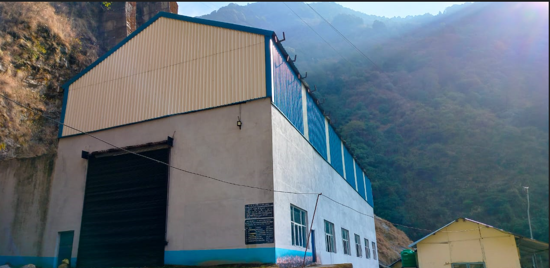
The 5 MW Baner-III project is strategically positioned upstream of the existing Baner Hydroelectric Project (HEP) of HPSEB, capitalizing on the snow-fed catchment area of the Baner Khad. Complementing this, the 5 MW Iku-II plant is situated across the Iku Khad, further harnessing the region’s hydropower capabilities.
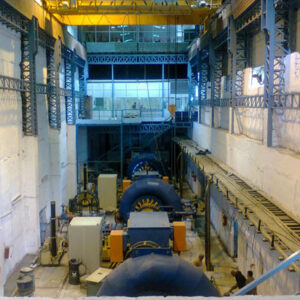
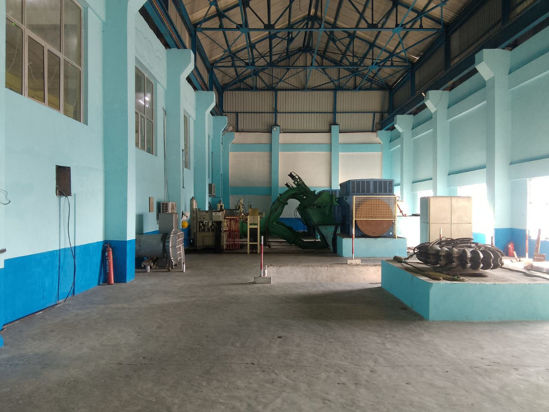
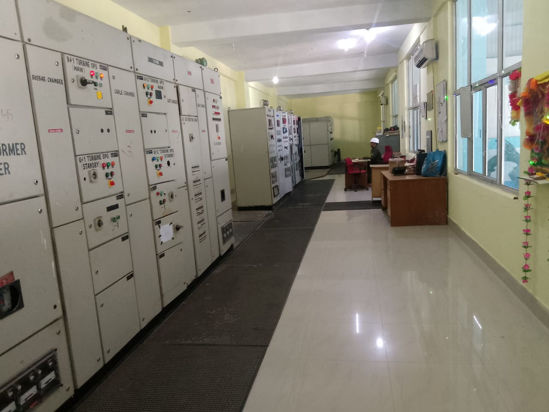
These projects convert the kinetic energy of the water flow into mechanical energy using advanced hydro turbines, which then drive alternators to generate electricity. The generated power is efficiently stepped-up to match the voltage level of the nearest substation, ensuring seamless integration with the regional grid.
By displacing electricity generation from fossil fuel sources, these projects contribute significantly to mitigating climate change. It is estimated that the Baner-III and Iku-II projects collectively achieve 35,912 tCO2e emission reductions annually.
Sustainable Development Contributions:
Beyond emissions reductions, these projects are committed to fostering sustainable development within the local communities, contributing to social, economic, environmental, and technological well-being:
Social Well-being:
- Providing crucial employment opportunities within the local area, stimulating economic activity.
- Addressing the energy deficit in the region, thereby improving the quality of life for vulnerable populations burdened by inadequate power supply.
Economic Well-being:
- Facilitating the mobilization of significant financial resources to an underprivileged region, fostering infrastructure development.
- Creating additional development opportunities in the region, contributing to poverty alleviation and promoting gender equality through equal opportunities.
Environmental Well-being:
- Designed with a commitment to environmental stewardship, ensuring minimal negative impact on the surrounding ecosystem and contributing to environmental well-being.
Technological Well-being:
- Demonstrating the viability of harnessing hydropower potential in challenging terrains and small streams within the Himalayan region.
- Showcasing the potential of cleaner energy technologies and inspiring further innovation in renewable energy solutions.
To delve deeper into the technical specifications of this project, please visit: CDM UNFCCC Project Details
To learn more about the positive social impact of this project, please click: Project Social Benefits Report
Additional information
| Industry | Hydro |
|---|---|
| Commitment Period | CP2 |
| Continent | Asia |
| Country | India |
| Vintage | CP2: 2013 or later |
| Payment Method | Bank transfer, PayPal or Credit Card |
| Environmental | Natural resources, Water |
| Social | Jobs, Welfare |
| Economic | Energy, Growth, Technology |
Per (CO2e) tonne
0,30 $