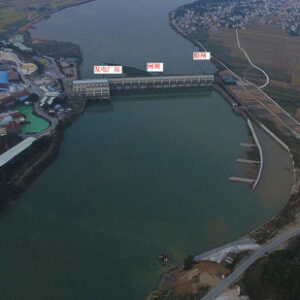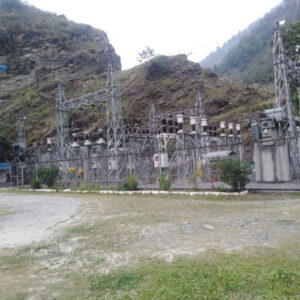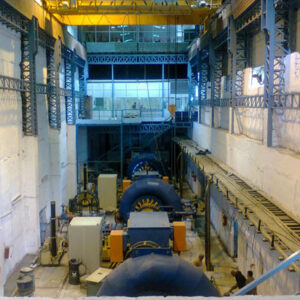

Manglad Small Hydroelectric Project
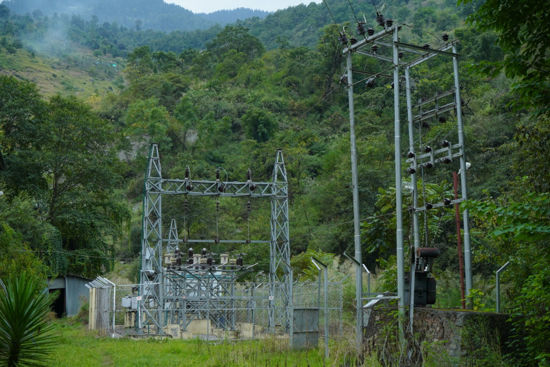
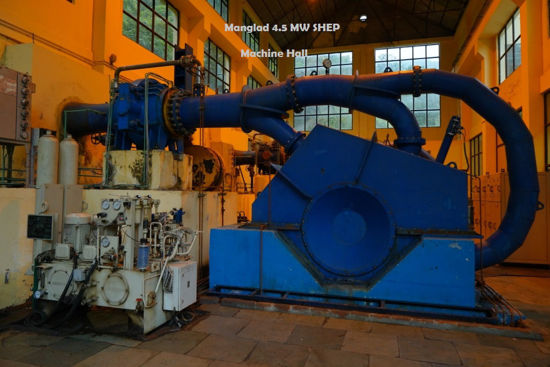
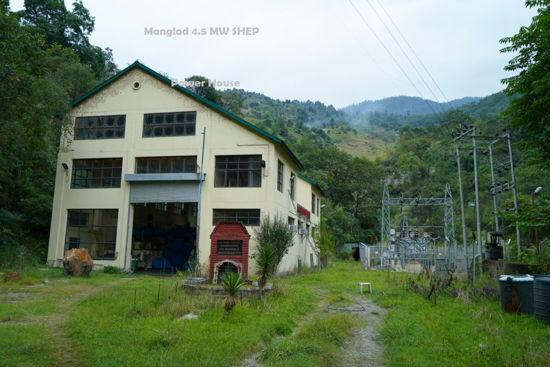
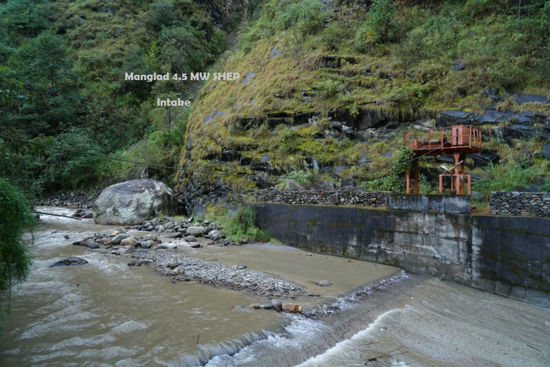
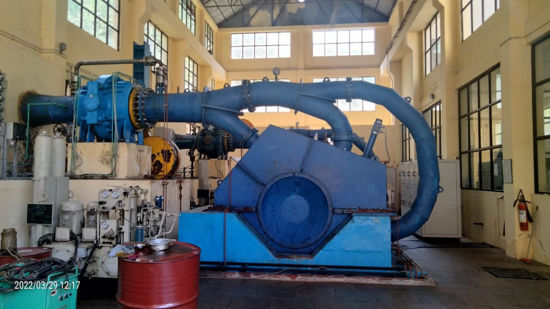
This innovative run-of-river hydroelectric project in Himachal Pradesh, India, harnesses the region’s hydro potential to generate clean, renewable electricity. The project’s output is seamlessly integrated into the Northern Regional Grid, serving Delhi, Haryana, Punjab, Chandigarh, Rajasthan, Himachal Pradesh, Jammu & Kashmir, Uttarakhand, and Uttar Pradesh via the Northern Regional Load Dispatch Centre (NRLDC). By displacing reliance on fossil fuel-based power generation, this project significantly reduces greenhouse gas (GHG) emissions, contributing to a cleaner energy future for the region.
Contribution to Sustainable Development
The project prioritizes environmental stewardship and community development through a dedicated Local Area Development Authority (LADA), established by the Himachal Pradesh Government. The LADA oversees the implementation of the Environmental Management and Local Area Development Plan (EMLAD), ensuring responsible environmental management. Financed by allocating 1.0% of the total project cost, the LADA’s activities contribute to the long-term sustainability of the region.
Aligned with the Ministry of New and Renewable Energy’s (MNRE) ambitious goals to establish 10,000 MW of renewable energy projects, this initiative embodies India’s commitment to clean energy. Furthermore, the project aligns with India’s National Electricity Policy, specifically Section 5.2.5, which emphasizes the full development of feasible hydro potential.
Additional Contributions to Sustainable Development:
Contribution to Social Wellbeing:
- Reduces the carbon intensity of the northern regional grid, lowering greenhouse gas emissions per MWh across the system.
- Decreases reliance on firewood in local villages, mitigating forest degradation, soil erosion, and promoting soil fertility.
- Increases the availability and reliability of electricity supply to the villages.
Contribution to Economic Wellbeing:
- Creates local employment opportunities during the operational phase.
- Improves access for local villages to transport apples, a local cash crop, due to local road construction.
- Ensures downstream users’ access to river resources by maintaining a minimum sacrificial discharge of 15% of the lean season inflow downstream of the diversion structure.
Contribution to Environmental Wellbeing:
- Minimizes disruption to the local environment due to its run-of-river design, eliminating the need for a large reservoir.
- Reduces air pollutants, such as nitrogen oxides, sulphur oxides, carbon monoxide, and particulates, by decreasing fossil fuel combustion.
- Maintains aquatic wildlife and fish health, with no expected adverse effects or loss of aquatic production.
- Preserves native fish migration patterns, as no significant changes in water current velocity are anticipated.
Contribution to Technological Wellbeing:
- Demonstrates the viability of harnessing hydro potential in challenging terrains and small streams within the Himalayan region.
- Showcases the potential of cleaner energy technologies, paving the way for future projects and innovations.
For comprehensive project details, please visit the UNFCCC CDM website: Project Information
Learn more about the project’s social benefits: Social Benefits Details
Additional information
| Industry | Hydro |
|---|---|
| Commitment Period | CP2 |
| Continent | Asia |
| Country | India |
| Vintage | CP2: 2013 or later |
| Payment Method | Bank transfer, PayPal or Credit Card |
| Environmental | Natural resources |
| Social | Jobs, Welfare |
| Economic | Technology |
Per (CO2e) tonne
2,20 $